
-
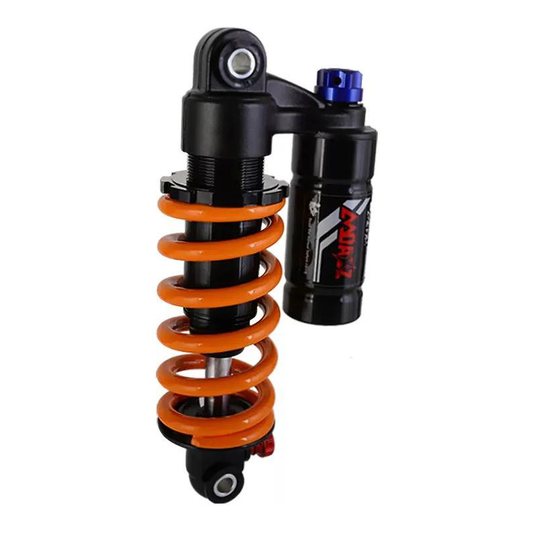
MOAOZ Coil Rear Shock — Piggyback Reservoir, 165–265 mm
Regular price $109.99Regular price -
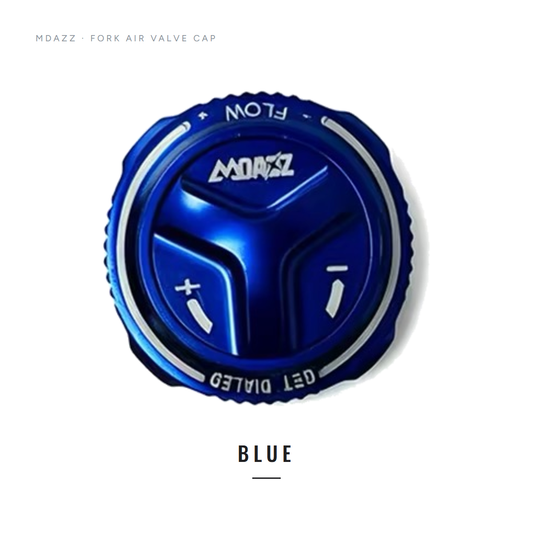
Fork Air Valve Cap for Fox, RockShox, Ohlins & DVO Forks
Regular price $24.90Regular price


An e-bike loads its parts differently: a motor pushing you along, more mass to control, more speed into rough ground. Parts that felt fine on a lighter bike go vague or weep oil once they have to hold up an e-bike. This collection gathers the forks, rear shocks and seatposts we would fit for that use. We do not build frames — we supply what bolts onto them, so our job is getting your fit right.
Front Forks for E-Bikes
A fork changes how a bike rides more than any other bolt-on part: it sets how the front wheel tracks and how planted the bike feels when the ground turns loose. On a heavier e-bike, a flexy fork means vagueness in corners and a front end that walks offline under braking.
Fit comes down to dimensions you can measure off the fork already on your bike: steerer diameter and length, straight or tapered; axle type and hub spacing, since through-axle and quick-release are not interchangeable; brake mount and rotor; wheel size and tire clearance; offset and steering feel; and travel, which moves axle-to-crown, bottom bracket height and head angle.
Wear drives replacement more often than ambition: oil on the stanchions that returns after a seal service, a knock at the crown, scratches deep enough to catch a fingernail, a damper that no longer holds rebound.
Most people get this choice wrong — not because one design is better, but because one suits how you ride.
Rear Coil Shocks
A coil's rate is fixed the moment you fit it. Done right it gives a linear feel, good small-bump sensitivity and consistent behavior on long fast descents. Done wrong the bike feels dead or springy, which is why matching spring rate to total system weight (rider, bike, gear) matters more than any other figure. Heavier, less adjustable, and springs cost money.
Every rear shock in this collection is coil. Eye-to-eye runs from 165 mm to 265 mm with springs in 350, 450 and 550 lb, and the spring itself comes in black, orange or red at the same price.
How to Decide
Air shocks set spring rate by pressure rather than a physical spring, so they reset easily for a different rider or a loaded bike, and volume spacers make the curve more progressive if you bottom out. They are lighter, no spring to buy, but pressure drifts and seal service has an interval. We do not list air shocks at the moment, so read the comparison as background rather than as a choice on this page.
Ride long chattery descents and want consistent feel? Coil. Swap riders often, ride loaded, or want to tune with a pump? That is an air shock, and you will need to source it elsewhere for now. Either way, confirm mounting type (eyelet or trunnion), eye-to-eye length and stroke, and the bushings your frame uses.
Seatposts: Rigid, Dropper or Suspended
A rigid post with the right setback is a fit tool: it moves your hips relative to the pedals and bars. A dropper clears the saddle on descents. A suspension post softens rough tarmac and gravel on frames with no rear travel.
Fitting is unforgiving: diameter must match the seat tube exactly, the post must reach your saddle height without exceeding maximum insertion depth, and droppers add routing (internal or external) and remote compatibility. Also check setback and shim compatibility.
How to Match Parts to Your Frame
Do not buy from a photo. Work from the parts you already have:
- Read the numbers stamped on your current fork, shock or post.
- Measure the rest with the part off the bike where possible.
- Check the frame for limits: head tube length, shock mount, seat tube depth, cable ports.
- Note your riding weight and how you load the bike, especially for a coil spring rate.
- If two parts are close, ask us — a short message is cheaper than return freight.
Send your frame model, the markings from your current part and a photo of the mount, and we will tell you what we would fit — including when the honest answer is that nothing here works on your bike. This collection keeps growing, so ask what is on the way.